
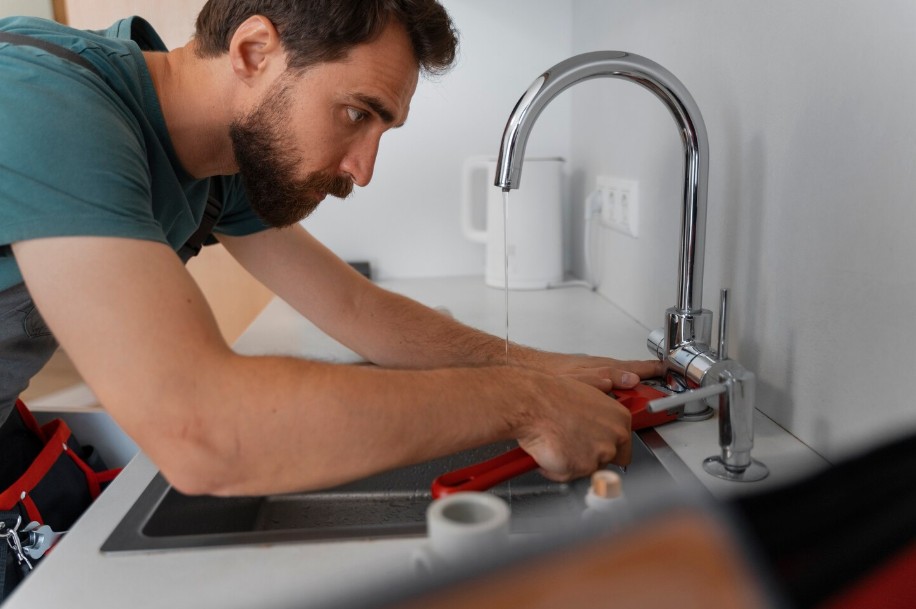
Analyzing the material quality of products you use in plumbing is more than aesthetic appearance and longevity considerations. It’s also about enhancing the safety of the clean water in the pipelines by preventing solubility of harmful substances. Also, an efficient system protects the surrounding environment from leakage of waste water. That means using qualified materials is a combination of resilient investment, environmental protection, and healthcare.
Table of Contents
1. Work With Fixtures That Eliminate Cycles of Repair
For Emergency Plumbing Service professionals, a successful repair must go beyond fixing the current problem, to eliminating recurring failures. That’s where material science becomes a foundational aspect. And if you think the upfront cost is a barrier, consider the cost of a flooded home where wooden floors soak into water and carpets must be replaced. The cost of installing failing components is more than money, it adds up to downtime and psychological effects.
For example, instead of the traditional rubber washer taps, install modern more resilient faucets that use ceramic disc cartridges.
The same thinking applies to shut-off valves. A properly selected quarter-turn ball valve can be easier to operate and maintain than an older style that requires repeated turning.
A professional plumber should consider:
- The property’s water pressure
- The quality and durability of the fixture
- Whether replacement parts will remain available
- Compatibility with the existing plumbing
- How easily the fixture can be inspected or serviced later.
However, your selection criteria must act as a framework that evaluates how hardware integrates into a building’s functional infrastructure.
2. When the Problem Is Noise, Think Beyond the Faucet
A loud knock when a washing machine stops filling is strangely disturbing. The sound is loud, sharp, and completely unexpected during a quiet cycle. It may be the way water pressure behaves when a valve closes quickly.
The right fixture choice can reduce the likelihood of aggressive pressure changes, but it is not a magic cure. Where water hammer is already present, the plumber needs to understand the whole installation.
Depending on the situation, that may involve:
- Assessing household water pressure;
- Checking whether pipework is adequately supported;
- Selecting suitable slow-closing fixtures;
- Installing a properly positioned water-hammer arrestor.
This is where professional judgment matters. Installing an arrestor in the wrong location or replacing a faucet without investigating excessive pressure may quiet the symptom without solving the underlying condition.
3. The Right Toilet Can Change the Maintenance Story
If a toilet needs a plunger every few weeks, probably the problem may not the usage. The fixture’s own hydraulic design matters. Flush performance isn’t about raw water volume anymore; it’s about fluid dynamics. A wider, fully glazed internal discharge pipe of a toilet paired with precision-engineered flush valve makes the bowl clear every bowel waste effortlessly every single time.
Upgrading isn’t about buying the most high-tech, over-engineered toilet on the market. It’s about choosing a fixture with a internal hydraulic pathway matched to the home’s existing drain line pitch.
That does not mean the biggest flush valve or most powerful-looking model is automatically the best choice. The toilet still has to suit the home’s drainage system and installation conditions.
For a replacement project, a knowledgeable plumber can help assess:
- Available drainage configuration
- Expected household use
- Flushing performance
- Water efficiency
- Access to replacement components.
The goal is not buying the most sophisticated toilet. It is choosing one that works reliably within the system it is joining.
4. Materials Matter When Water, Heat and Time Get Involved
Water, heat, and time will expose poor quality plumbing materials. Hard water and cheap metal are natural enemies. Mineral scale will choke out inferior showerheads, and thin plated plastic will pit, peel, and leak within a couple of seasons.
The solution to all these problems is to purchase and use high-quality plumbing and shower fixtures. The solution to all these problems is to purchase and use high-quality plumbing and shower fixtures. For example, shower nozzles with soft silicon make it easier to remove mineral buildup with a piece of cloth. That helps keep holes clear for an efficient shower time experience.
In essence, good plumbing fixture selection is ultimately an exercise in thinking beyond installation day. A reliable plumbing infrastructure relies heavily on material selection as craftsmanship. A combination of product knowledge, installation skills, and practical judgment can turn a renovation from a cosmetic upgrade into a more dependable, maintainable plumbing system.