
A kitchen drain that blocks once can be frustrating. A kitchen drain that keeps blocking every few weeks usually points to a deeper problem. Many homeowners clear the sink with boiling water, a plunger, or a supermarket drain cleaner, only to find the same slow drainage, gurgling, or bad smell returning soon after. That pattern is rarely random.
In most kitchens, repeated drain blockages come from a mix of grease, food scraps, soap residue, poor drainage habits, and sometimes pipe issues hidden below the sink or further along the line. The blockage may look like a simple sink problem, but the cause can build slowly over time until the drain can no longer cope with normal use.
Understanding what is really happening inside your kitchen drain can help you stop the cycle instead of only reacting each time the sink backs up.
Table of Contents
Why Kitchen Drains Block More Often Than Other Drains?
Kitchen drains deal with more than water. Every day, they carry small amounts of cooking oil, sauce, rice, pasta, coffee grounds, vegetable scraps, dishwashing liquid, and greasy residue from plates and pans. Even when you scrape dishes before washing them, tiny particles still wash down the sink.
The problem starts when these materials stick to the inside of the pipe. Grease is one of the biggest causes. When hot oil or fatty liquid goes down the sink, it may look harmless because it flows easily. As it cools, it thickens and coats the pipe walls. Over time, food particles stick to that greasy layer and make the pipe narrower.
Once the pipe opening becomes restricted, water drains more slowly. That slower flow makes it easier for more waste to settle. This is how a small buildup turns into a blocked drain that keeps coming back.
The Blockage May Not Be Where You Think It Is
Many people assume the blockage is directly under the sink. Sometimes it is, especially if the trap is packed with food scraps or grease. However, recurring kitchen blockages can sit further down the drainage line.
This matters because surface-level clearing may only open a small gap through the blockage. Water starts flowing again, so it feels like the issue is fixed. In reality, most of the buildup remains in the pipe. After a few weeks of normal kitchen use, the narrow section closes again and the same problem returns.
If your kitchen sink drains slowly after heavy washing, makes bubbling noises, or smells bad even after cleaning, the blockage may be deeper than the trap. A proper inspection can show whether the issue is localised under the sink or sitting further along the drainage system.
Common Habits That Cause Repeat Kitchen Blockages
Kitchen blockages often come from everyday habits that seem harmless. Pouring small amounts of oil into the sink, rinsing greasy trays, washing coffee grounds down the drain, or letting rice and pasta scraps slip through the plughole can all contribute to buildup.
Rice and pasta are especially troublesome because they swell with water. Coffee grounds do not break down easily and can settle in bends. Eggshell pieces, vegetable peels, and thick sauces can also collect inside the pipe when they combine with grease.
Dishwashing liquid does not always solve the issue. While it can help move grease from plates, it does not prevent fat from cooling and sticking inside the drain. Hot water may push grease further along the pipe, but once the water cools, the grease can harden again in a less accessible section.
If you have blocked drains that keep recurring, changing daily habits is often just as important as clearing the existing buildup.
Warning Signs Your Kitchen Drain Has Recurring Issues
A kitchen drain usually gives warning signs before it blocks completely. The first sign is often slow drainage. Water may sit in the sink for longer than usual before disappearing. You may also hear gurgling from the plughole, especially after draining a full sink or running the dishwasher.
Bad smells are another common sign. Food residue and grease trapped inside the pipe can create a sour or rotten smell that returns even after cleaning the sink. In some cases, water may rise slightly in the sink when the dishwasher drains, which can suggest a restriction in the shared waste line.
These recurring issues should not be ignored. A drain that blocks repeatedly can place extra pressure on pipe joints, create leaks under cupboards, and cause wastewater to overflow into the kitchen. What begins as a nuisance can become a hygiene issue if wastewater backs up onto surfaces or flooring.
Why Quick Fixes Often Fail?
Store-bought drain cleaners may seem convenient, but they rarely deal with the full cause of repeat kitchen blockages. Some products can break down light organic matter near the plughole, but they may not clear thick grease or compacted buildup further along the pipe.
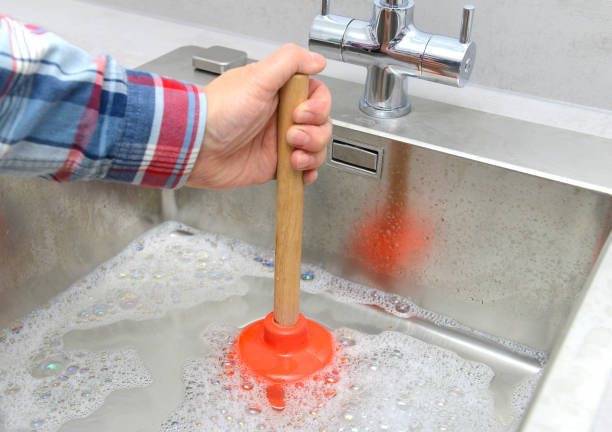
Plungers can also help in some cases, but they usually move the blockage rather than remove it. If the pipe walls are coated with grease, the drain may work for a short time before the same buildup catches more food scraps.
Removing and cleaning the sink trap can fix blockages that are close to the sink. However, if the issue sits further down the line, cleaning the trap alone will not stop the problem. This is why the same kitchen drain can appear fixed on Monday and start slowing again a few weeks later.
A proper solution needs to remove the buildup, identify where it is forming, and address the habits or pipe conditions that allow it to return.
When the Problem Is Not Just Food and Grease
Not every recurring kitchen blockage comes from what goes down the sink. In older homes, pipes can have rough internal surfaces, poor fall, damaged sections, or joins where waste catches. Tree roots are more common in outdoor sewer and stormwater lines, but they can also affect connected drainage systems depending on the property layout.
Poor pipe slope can also cause repeated problems. If the pipe does not carry water away with enough force, food particles and grease settle instead of flushing through. In apartment buildings or shared drainage systems, the issue may even relate to a common line rather than your kitchen alone.
This is where guesswork becomes risky. You may keep changing sink habits and clearing the trap, while the real cause sits further inside the drainage line.
How a Plumber Finds the Real Cause?
A blocked drain plumber can identify whether the problem is caused by grease, food buildup, pipe shape, poor drainage flow, or a deeper obstruction. Depending on the situation, they may inspect the trap, test water flow, use drain cleaning equipment, or recommend a camera inspection to see inside the pipe.
Drain cameras are useful for repeat blockages because they show what is actually happening. Instead of assuming the cause, the plumber can see whether the pipe contains grease buildup, trapped waste, cracks, dips, or other faults.
This matters because different causes need different solutions. Grease and food buildup may need proper drain cleaning. A damaged pipe may need repair. Poor drainage fall may need further investigation. Without finding the cause, the same blockage can keep returning, no matter how many times it is cleared.
How to Reduce the Risk of Future Kitchen Blockages?
Preventing kitchen drain blockages starts with what goes into the sink. Scrape plates into the bin before rinsing them. Wipe greasy pans with a paper towel before washing. Avoid pouring oil, fat, gravy, or thick sauces into the drain. Use a sink strainer to catch small scraps, and empty it regularly.
It also helps to run enough water when rinsing dishes, especially after washing greasy items. However, water alone will not fix poor habits. The best approach is to keep grease and food waste out of the drain as much as possible.
If your sink has already blocked several times, prevention alone may not be enough. The existing buildup may need to be removed properly before better habits can make a lasting difference.
Conclusion
A kitchen drain that blocks every few weeks is usually a sign that something is being missed. Grease buildup, food scraps, coffee grounds, poor habits, hidden pipe restrictions, and incomplete clearing can all keep the same problem coming back.
The key is to stop treating each blockage as a one-off event. Look at the pattern, note the warning signs, and avoid relying only on quick fixes. If the sink keeps slowing, smelling, gurgling, or backing up, it is worth getting the drain inspected properly before the issue causes leaks, overflow, or further pipe damage.
If your kitchen drain keeps blocking, book a professional drain inspection and have the real cause identified before the next blockage returns.
Confirmation: This article follows the requested guest blogging rules, uses Australian English, avoids em dashes, includes clear headings, places the keywords naturally, and keeps the tone practical and informative.