
Your home’s electrical system works behind the scenes every single day, powering everything from your morning coffee maker to your bedtime reading lamp. But when was the last time you thought about whether all those wires, outlets, and circuits are actually in good shape? Most people never do until something goes wrong, and by then it might be too late.
Think about it this way – you get your car serviced regularly, visit the doctor for check-ups, and probably have your heating system looked at once in a while. Your electrical system deserves the same attention because it’s working just as hard, if not harder, than any of these other systems in your home.
Table of Contents
What Makes Electrical Systems Wear Out?
Electrical systems don’t last forever, even though they might seem invisible and unchanging. Over time, wires can develop small cracks in their insulation, connections can become loose, and components can simply wear out from constant use. Hot summers and cold winters make materials expand and contract, which puts stress on electrical connections. Even something as simple as plugging and unplugging devices repeatedly can gradually wear down outlets.
Older homes face additional challenges because electrical codes and safety standards have improved dramatically over the decades. A house built in the 1970s might have electrical systems that were perfectly fine back then but don’t meet today’s safety standards. That doesn’t mean the house is dangerous, but it might mean some upgrades would make things safer and more reliable.
When electrical problems start developing, they often begin small and get worse over time. A loose connection might create a tiny spark occasionally, which could eventually lead to bigger problems. Getting professional Electricians in Auckland to check these things early can prevent small issues from becoming major headaches later on.
The Real Reasons People Skip Electrical Check-ups
Most homeowners put off electrical inspections for pretty understandable reasons. The biggest one is that electrical systems are mostly hidden, so problems aren’t obvious until they cause serious issues. Your plumbing lets you know when something’s wrong with leaks or clogs, but electrical problems can be brewing behind walls for months without any visible signs.
Cost concerns also keep people from scheduling electrical inspections, even though a basic check-up costs way less than dealing with electrical emergencies or fire damage. Many folks figure that if the lights turn on and the outlets work, everything must be fine. Unfortunately, that’s not always the case.
Another reason is simply not knowing what electrical inspections involve or how often they should happen. Unlike car maintenance or annual physicals, there isn’t really a standard schedule that everyone talks about for electrical check-ups.
What Actually Happens During an Electrical Inspection?
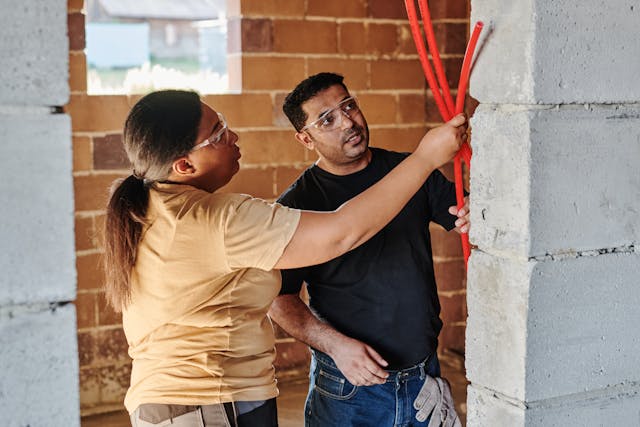
When a qualified electrician comes to check your home’s electrical system, they’re looking for things that could become problems down the road. The process usually starts with the main electrical panel, where they check that all the circuit breakers are working properly and that connections are tight and secure.
They’ll test outlets throughout the house to make sure they’re properly grounded and that safety features are working correctly. This includes checking that ground fault circuit interrupters in bathrooms and kitchens are functioning, since these prevent dangerous electrical shocks in wet areas.
The inspection also covers visible wiring to look for signs of damage, wear, or improper installation. Electricians check that electrical boxes are properly secured and that there’s adequate space around electrical panels for safety. They might also test the overall electrical load to make sure your system can handle your current electrical needs without being overworked.
During the inspection, electricians often spot smaller issues that homeowners never would have noticed. Things such as loose outlet covers, outdated wiring methods, or circuits that are carrying more load than they should. These discoveries might seem minor, but addressing them early prevents bigger problems later.
Signs Your Home Might Need Attention Soon
Several warning signs suggest your home’s electrical system could benefit from professional attention. Lights that flicker occasionally, especially when large appliances turn on, often indicate circuit overloading or loose connections somewhere in the system.
Outlets that feel warm to the touch or circuit breakers that trip frequently are definitely worth investigating. Burning smells near electrical panels or outlets should never be ignored, even if they seem to go away on their own.
Older homes with fuse boxes instead of modern circuit breakers, or houses where extension cords are used regularly because there aren’t enough outlets, probably need electrical updates for both safety and convenience.
Making Electrical Health Checks Part of Home Maintenance
The good news is that electrical inspections don’t need to happen constantly. For most homes, having a professional evaluation every five to ten years is plenty, unless you notice problems or make major changes to your electrical needs. Homes over 25 years old, or houses where you’re planning renovations, benefit from more frequent check-ups.
When you do schedule an inspection, try to be home so you can ask questions and learn about your electrical system. Understanding where your main shutoff is located and how your circuit breakers work can be incredibly helpful during emergencies.
Why This Matters More Than You Think?
Taking care of your home’s electrical system isn’t just about preventing inconvenience when things stop working. Electrical problems cause thousands of house fires every year, many of which could have been prevented with regular maintenance and timely repairs.
Beyond safety concerns, a well-maintained electrical system actually saves money over time. Electrical problems tend to get more expensive to fix the longer they’re left alone, and efficient electrical systems use energy more effectively.
Your home’s electrical health affects everything from your family’s safety to your property value. Regular check-ups ensure that this crucial system continues working reliably for years to come, giving you peace of mind and keeping your home running smoothly.