
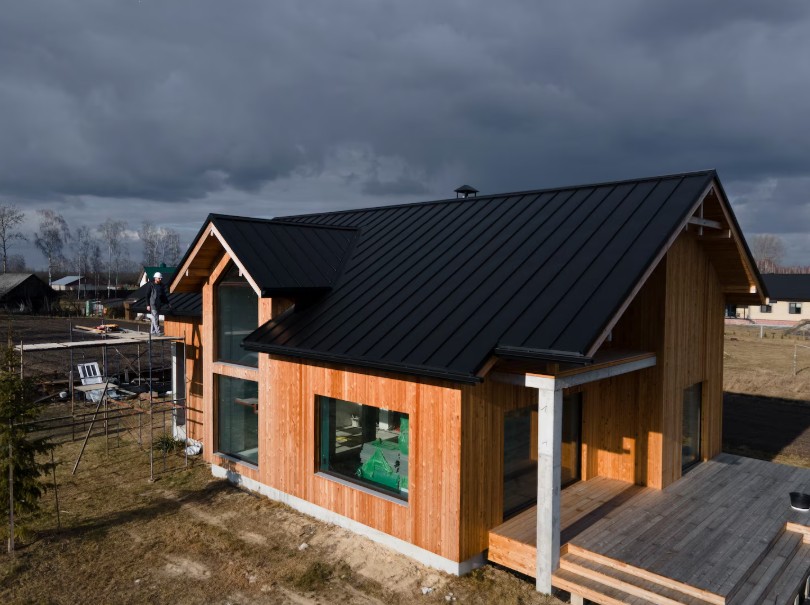
When winter hits Canada, backyards transform into snow-covered landscapes that test the strength of every outdoor structure. From deep-freeze temperatures to heavy snow loads and icy winds, your shed needs to withstand it all. Choosing the right shed material is essential to protect your tools, bikes, lawn gear, and seasonal equipment from harsh winter conditions.
But which is the best shed material for Canadian winters — resin, wood, or metal? Let’s break down how each performs and uncover which option is truly built to last.
Table of Contents
1. Resin Sheds: The Winter-Ready Winner
Resin sheds have gained huge popularity across Canada, and for good reason — they combine convenience, durability, and weather resistance in one low-maintenance package.
Strengths of Resin Sheds
- Weather Resistance: Resin (or plastic composite) sheds hold up impressively against moisture, snow, and freezing temperatures. Unlike wood, they don’t rot or warp — and unlike metal, they won’t rust or dent easily.
- Low Maintenance: You won’t need to paint, seal, or treat resin panels. A quick wash in spring keeps them looking clean and fresh.
- Insulation Potential: Some high-quality models feature double-walled construction that traps air for added insulation, keeping contents more temperature-stable during extreme cold.
- Ease of Assembly: Resin panels are lightweight and often feature snap-together systems, making DIY assembly fast and straightforward.
Potential Drawbacks
- Less Customizable: Resin sheds generally aren’t as easily modified as wooden ones — installing custom shelving or wiring can be trickier.
- Aesthetic Limitations: While modern resin textures imitate wood, they may lack the rustic, natural look some homeowners prefer.
Best Use Case: If you want a shed that’s virtually maintenance-free and resistant to snow and moisture, resin ranks first for Canadian winters. High-quality options, such as these durable sheds from Keter, are engineered explicitly for freezing climates and require little upkeep year after year.
2. Wood Sheds: Classic Look, But Need Care
Wood sheds offer a timeless charm that blends naturally with forested backyards and cottage-style homes. But beauty aside, how well does wood handle winter stress?
Strengths of Wood Sheds
- Customizable Design: Wood is the most adaptable material for customization — you can easily add shelves, windows, insulation, or even electrical wiring.
- Insulation Quality: Natural wood provides decent insulation, helping regulate internal temperatures and reducing condensation.
- Visual Appeal: Nothing beats the cozy, traditional look of a wooden shed. It adds character and can enhance property value.
Potential Drawbacks
- Moisture and Rot: Wood is vulnerable to moisture, leading to warping, cracking, and eventual decay if not properly treated. Snow accumulation and freeze-thaw cycles can speed up deterioration.
- Maintenance Needs: Expect to reseal, repaint, or stain your shed every few years to prevent rot and insect damage.
- Higher Cost and Labor: Quality lumber and finishing treatments can raise the total price, and the installation process is often longer.
Best Use Case: Homeowners who value aesthetic appeal and customization may love a wood shed. However, in climates with heavy snowfall and prolonged cold — like most of Canada — it requires ongoing maintenance to survive multiple winters without damage.
3. Metal Sheds: Strong Yet Vulnerable to Cold and Rust
Metal sheds, usually made from galvanized steel or aluminum, are known for their durability and security. Yet their winter performance can be hit-or-miss, depending on build quality and local conditions.
Strengths of Metal Sheds
- Structural Strength: Metal sheds are resistant to impact and can handle snow load if properly reinforced.
- Pest Resistant: No worries about termites, rodents, or carpenter ants gnawing through.
- Fire Protection: Unlike wood or resin, metal sheds are naturally fire-resistant — a perk for storing tools or fuels.
Potential Drawbacks
- Condensation Issues: Metal cools rapidly, leading to interior condensation that can promote rust and damage stored items.
- Rust Risk: Even galvanized coatings can eventually break down in the presence of road salt or moisture, which is common in Canadian environments.
- Cold Transmission: Metal conducts cold efficiently, making interiors frigid and unsuitable for sensitive tools or equipment without insulation.
Best Use Case: Metal sheds perform best in milder regions or when used primarily for rugged storage (such as snowblowers or construction gear). For long winters, they require insulation and ventilation upgrades to prevent condensation and corrosion.
Ranked: Best Shed Materials for Canadian Winters
1. Resin Sheds — Best Overall
Low-maintenance, weatherproof, and affordable — resin sheds dominate in winter performance. They resist moisture, cracking, and warping while staying easy to clean year-round.
2. Wood Sheds — Best for Customization
A great choice if you’re willing to invest time in upkeep. Wood looks beautiful and insulates naturally, but needs consistent maintenance to survive Canada’s freeze-thaw cycles.
3. Metal Sheds — Best for Strength
Durable but prone to rust and condensation. Ideal for rugged use, but not the most comfortable or practical storage in sub-zero conditions.
When it comes to surviving Canadian winters, resin sheds are clear winners for efficiency, strength, and peace of mind. They deliver long-lasting protection against snow, ice, and moisture while reducing maintenance headaches.
If you’re investing in backyard storage this year, look for brands that specialize in cold-resistant resin construction and UV-stabilized materials. With the right shed, you can keep your outdoor tools safe, organized, and ready to use the moment spring returns.